
I find plenty of truth in the idea of a person being the sum of the books they’ve read, especially the ones they recommend. The most impactful books shape and reinforce our core values and how we attend to the world. Here are the nonfiction titles that have influenced me the most since graduating formal education, shaping how I approach work, relationships, self-care, and everything in between. Wanna talk fiction? Got more recommendations for me? Don’t hesitate to reach out!
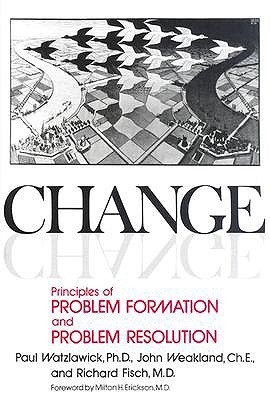
A logical breakdown of the nature of change, whose examples cross my mind every single day since I was assigned this in graduate school. The basic premise of Change is to challenge the notion that the problem is the problem, considering instead the role of attempted solutions in creating our perception of the problem. Paradoxes and reframes abound in this landmark text on thinking outside the bounds of our flawed human perception when it comes to helping ourselves.
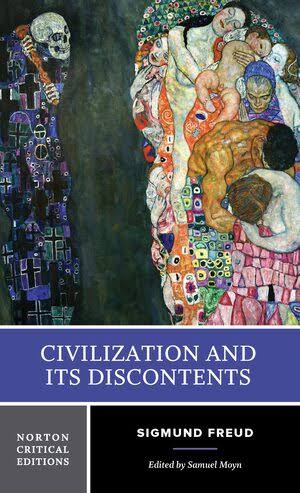
An exploration of quintessential questions of human nature packed into a slim volume by one of the greatest thinkers of the twentieth century, this approachable medley of philosophy, psychology and even twinges of sociology is sure to evoke epiphanies about the tension between our animal instincts and the demands of modern society, covering the role of religion and the law, among the puzzling paradoxes of the human condition as an inherently relational endeavor.
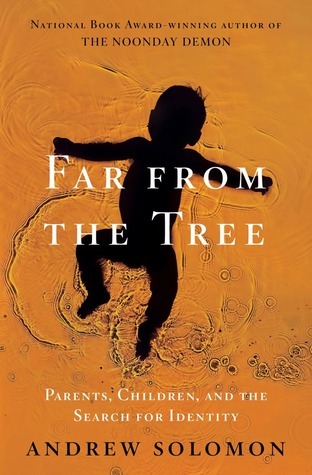
A sweeping, emotionally astute chronicle of the very human conflicts between parent and child when fundamental questions of identity are at stake. Written by a journalist who processes the ugly truths of human experience through a lens of utmost curiosity and acceptance, the result is unflinchingly humanizing. What makes this volume special, in a nutshell, is Solomon’s ability to imbue his what are effectively thorough anthropological observations with his unmistakable personal voice and the emotions that color it.
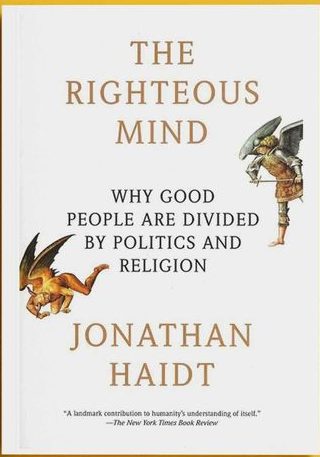
If there were one book I’d recommend to everyone, it’d be The Righteous Mind by Jonathan Haidt. This book bridges moral and cognitive branches of psychology, all in service of Haidt’s overarching thesis, explaining how emotions really work and influence human relations–an understanding often distorted by our cognitive biases. If you’re at all interested in confronting the subconscious forces behind interpersonal conflict and self-deception, this book may help dispel your frustrations by offering earnest curiosity into very difficult situations, because at the end of the day, no matter where you lie on the political spectrum, everyone yearns to be treated like a human, but there is no one more capable of stripping away one’s humanity than your fellow man. There’s no key to healing, redemption, salvation, whatever you call ‘it,’ beyond our human relationships.

Not one to take to memoirs, I let this book slip past me for many years before, regretting not sinking my teeth in when seeing it available on an Airbnb shelf (but forgiving my heightened state of stress), finally downloaded it on my Kindle and devoured it over a few nights crouched over my pillow in rapt attention. Nonfiction but reading like fiction, TGC is filled with unforgettable imagery that barges in with true urgency and sticks there ‘long after the thrill of living is gone,’ (in the words of John Mellencamp). I longed to see the Appalachians of West Virginia for myself, despite being haunted by the house occupied by the family in question.
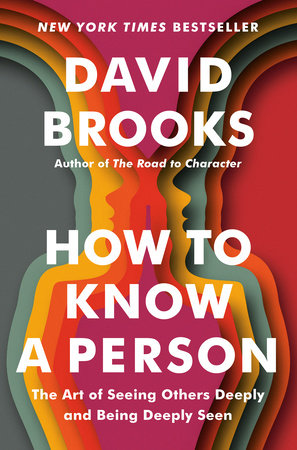
As someone whose life centers on searching for deep, nourishing human connection and perpetually falling short of it, I owe much of my determination to this book, which illuminates, uncomfortably, the numerous ways we fail to see others, as well as the manifold ways we can do better, through greater awareness of individual behaviors in connection. Although most of his takeaways echo common sense, Brooks’s depiction of the empathy gap, its practical and existential effects on modern life, is indelibly urgent and riveting. I found myself highlighting a passage every other page, clearly aligned with the core principles of Brooks’s message and convinced, on the basis of principle, to surpass the autopilot modes of human connection. A not small part of me wishes everyone would read this, to know that more people recognizes the importance of this mission and hold the same intention–but therein lies the paradox of this book and the human condition.

